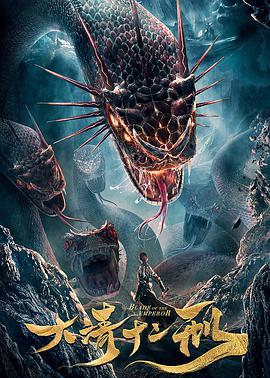
切勿混淆了同名电影《参孙的儿子 Il figlio di Cleopatra》 (1964)
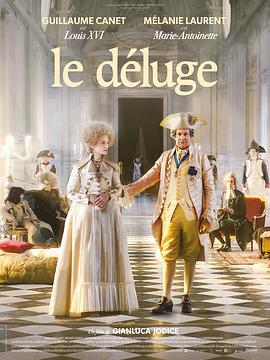
When talking about Louis XVI and his wife Marie Antoinette, what immediately comes to mind are lace, tall wigs, flamboyant clothes and colours, Versailles, or… the guillotine. Here, between these two extremes, exists a middle ground, a period of time seldom explored: the few months when the last king and queen of France were imprisoned, with their two young children, in a black castle on the outskirts of Paris, awaiting their executions. A brief and condensed period where, amidst violence and harassment, all masks fell off: those of two royals, as public and private figures that of the old regime that of a History that finally turned the page and that of God who, from then on, was eclipsed by the shadows, leaving man entirely alone.
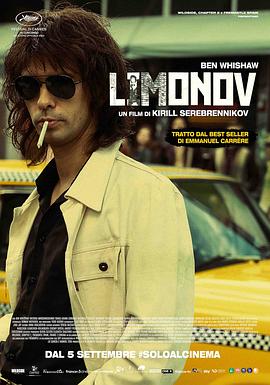
影片由基里尔·谢列布连尼科夫(《彼得罗夫的流感》《盛夏》)执导,帕维乌·帕夫利科夫斯基(《修女艾达》《冷战》)编剧,根据法国作家埃马努埃莱·卡雷尔撰写,描绘俄罗斯激进诗人、持不同政见者爱德华·利莫诺夫的传记小说改编。小说有着这样一段描述,“激进苏联诗人的骇人冒险:一个纽约的流浪汉、一个引起法兰西轰动的人、一个俄罗斯的政治人物”。 利莫诺夫个人生活极富传奇色彩,在曼哈顿他是富豪的管家,在巴黎他是作家,在俄罗斯他则是布尔什维克党的政党领袖。影片对白语言会根据拍摄地俄罗斯、纽约、巴黎的变换而对应转变。
珍妮从亡师手中接过歌剧《莎乐美》导演一职,在保留原剧神髓之余,亦希望加入自己笔触。彩排期间,随着与台前幕后在艺术创作上的矛盾冲突升温,个人情感纠结及童年阴影亦悄然入侵。珍妮在七层纱舞之悲剧中,瞿然发现自己身影,决意还这被蹂躏、被妖魔化女子以人性感温,并拾回创作与人生自主。将刚亲自执导的斯特劳斯歌剧信手移师到电影舞台,伊高扬把王尔德笔下莎乐美的悲剧,层层变奏出现代性别政治下女性复杂的心理写照。